Science Projects
This page showcases a few of my science projects, from hands-on experiments to creative models and research.
Scroll down
to see projects
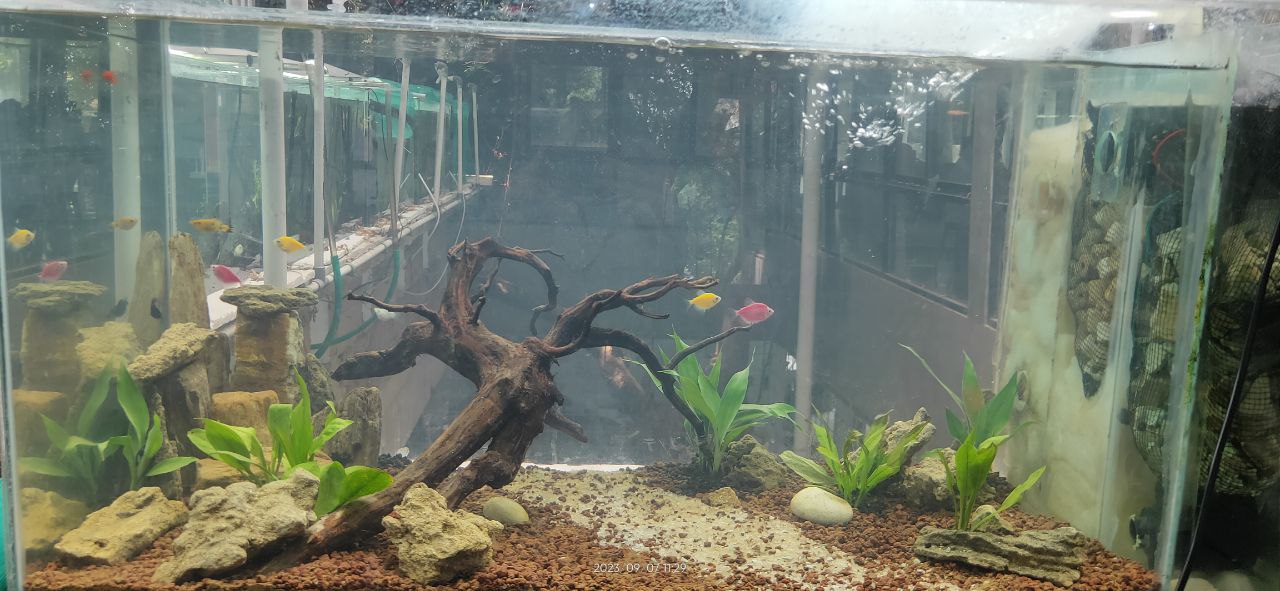
Influence of rock type on the behavior of Hampala fish
This research explores how different types of rocks in aquascaping, specifically sandstone and lava rock, affect the behavior of Hampala fish. Rocks are abiotic factors that can influence how fish move, feel secure, or choose resting spots. By observing the fish in tanks with different types of rocks, we aimed to see if their behavior changed depending on the environment. This helps us understand how non-living elements can shape the responses of living organisms within an ecosystem.
Jan - 2024
Paper Plane
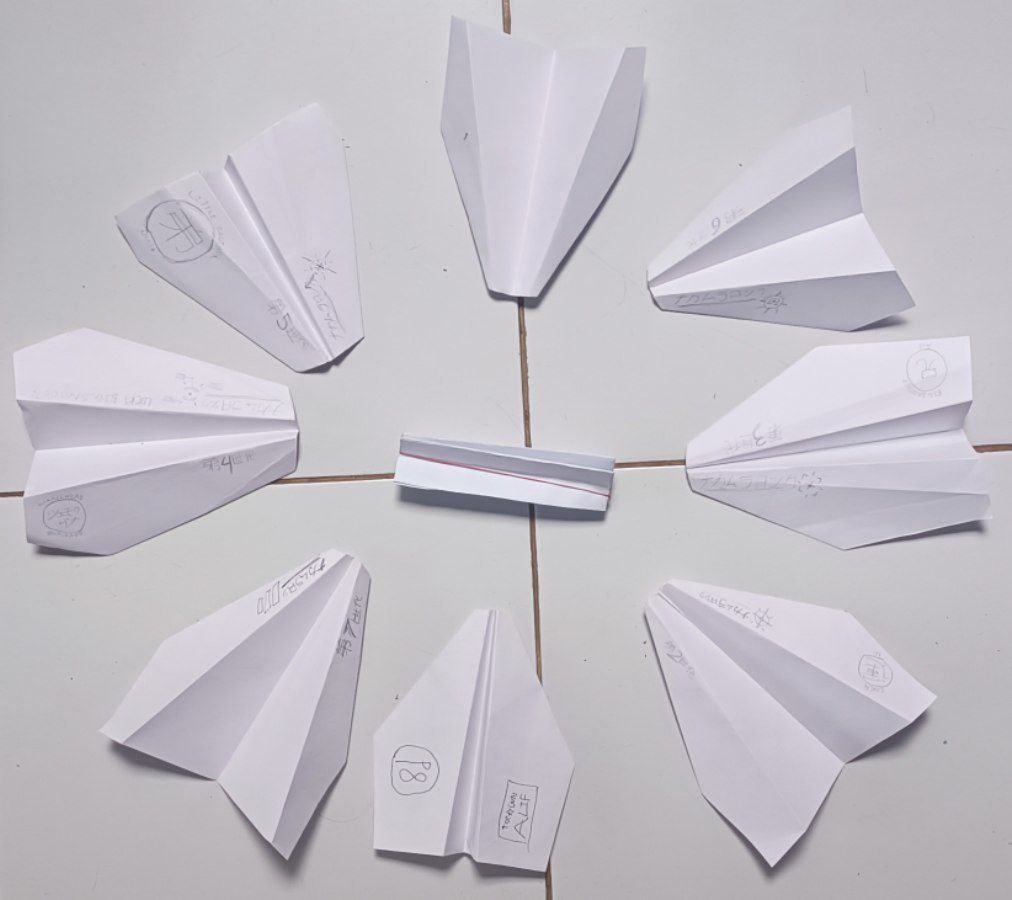
This experiment explores how different paper airplane designs affect flight by changing wing shapes, body sizes, and launch angles. Eight plane models were tested at 30, 45, and 60 degrees to measure distance, height, time, and stability. The results show that the plane with wide wings and a small body flew the farthest and longest, while heavier planes with larger bodies had shorter flights. The experiment helped us better understand the forces involved in flight like lift, drag, gravity, and thrust, and how simple changes in design can affect how well a plane flies.
Oct - 2023
Solar Panel
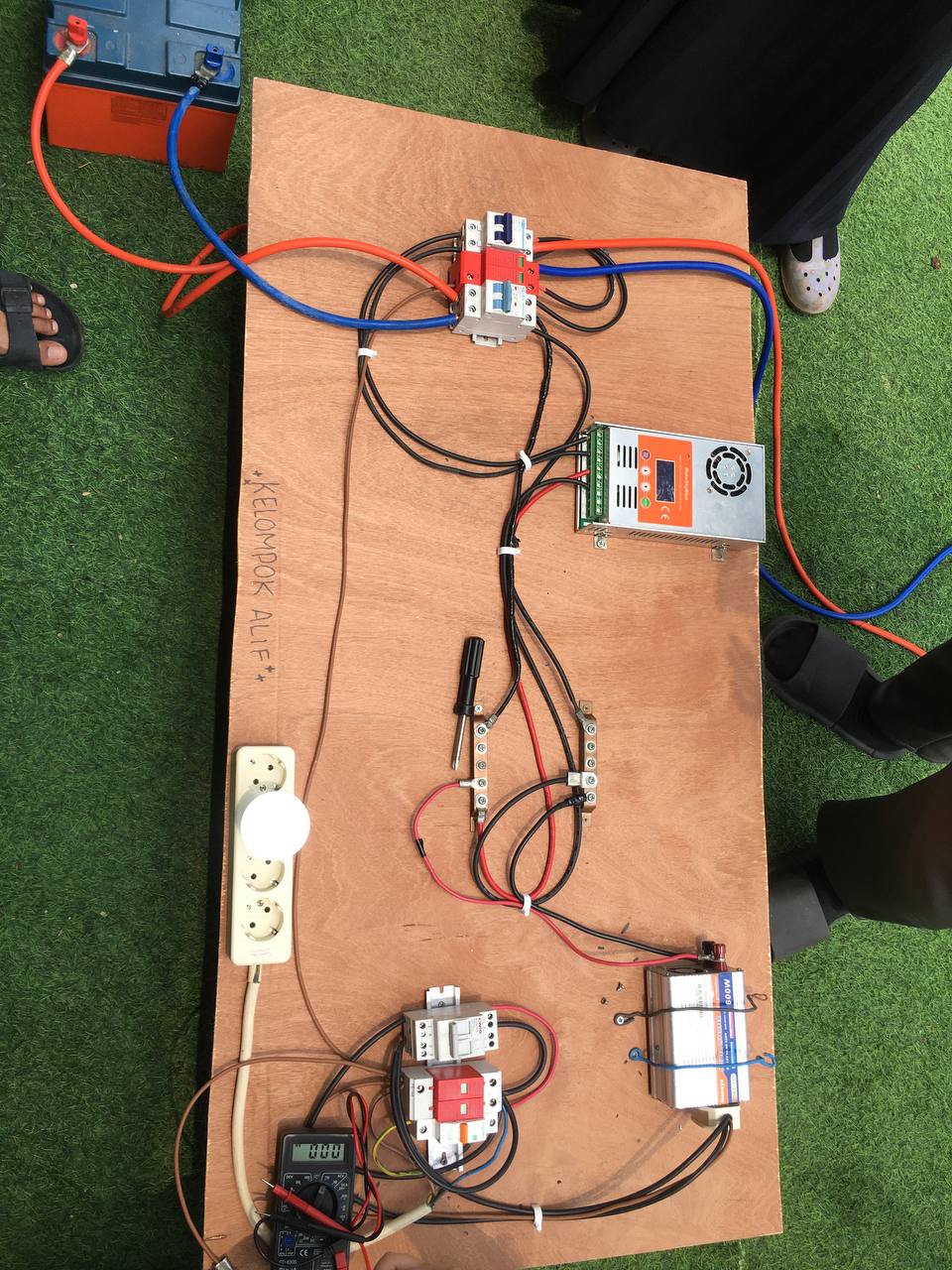
This report explores the use of solar panels as a renewable and sustainable source of electrical energy. Solar panels work through the photovoltaic effect, where sunlight excites electrons in semiconductor materials to generate electricity. In this project, we built a model, studied how solar energy is converted, and analyzed how much power could be generated compared to actual household electricity consumption. With my home's total monthly usage reaching 675,120 watts, calculations show that 62 solar panels, each producing 54 watts, would be needed to meet the demand. We also confirmed that there is more than enough roof space for installation. This study demonstrates how solar energy can be a clean, efficient, and realistic solution to reduce dependency on fossil fuels and support a greener, more sustainable future.
Sep - 2024
Cold Pack Chemistry: Endothermic Reactions and Applications
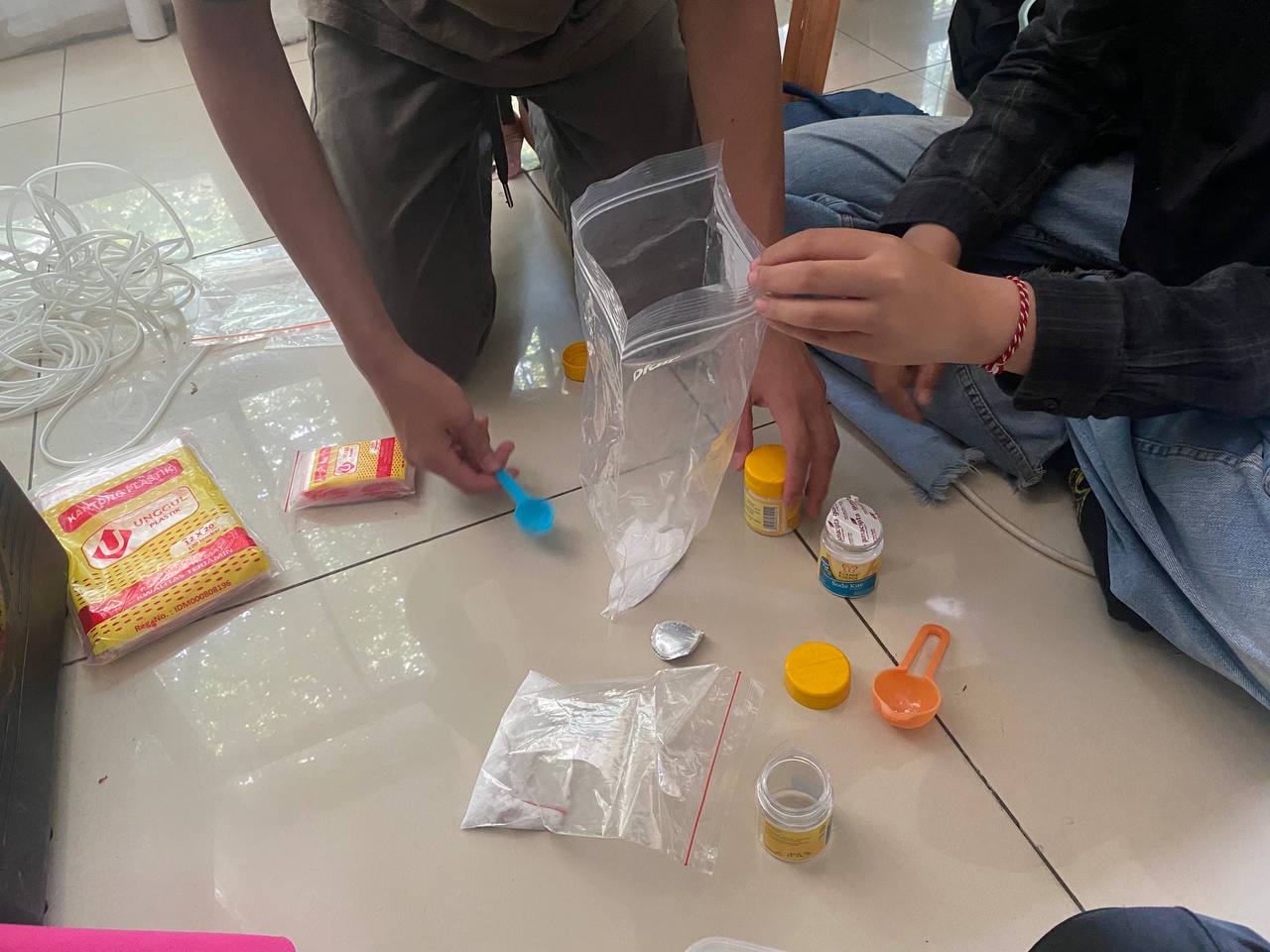
This report explores how cold packs work through endothermic reactions, where chemicals like ammonium nitrate absorb energy and cool the surrounding area. It compares different cold packs, including instant and reusable ones, and examines the effectiveness of citric acid and baking soda in producing a cooling effect. The report also looks at potential improvements for better efficiency in cold packs.
Sep - 2024
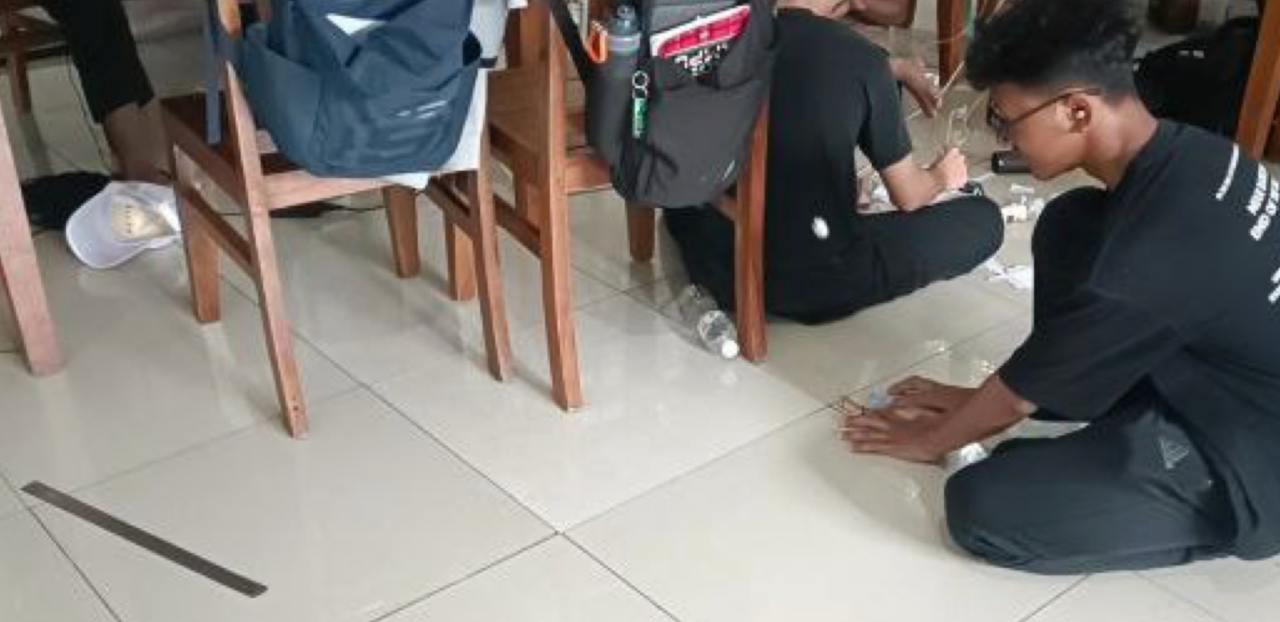
Energy Transfer in Popsicle Stick Catapults
This project explores how energy is transferred in a popsicle stick catapult. Potential energy is stored when the stick is pulled back, and it's turned into kinetic energy when released. We tested different launcher tensions and rubber bands to see how they affect the ball’s distance. The results showed that more tension and stronger bands lead to greater kinetic energy and longer travel.
Sep - 2024
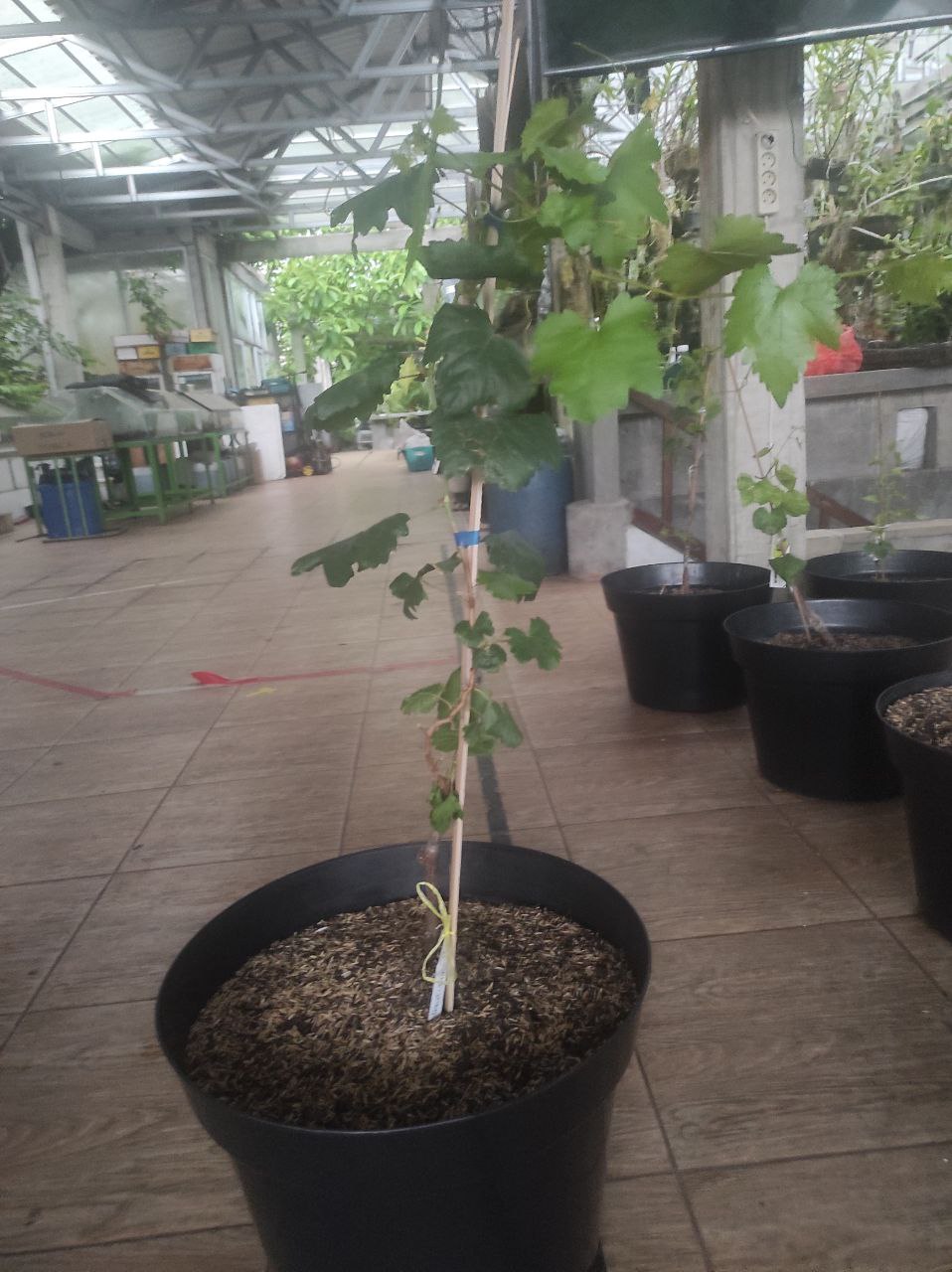
Grape Planting
This project explores grape cultivation by focusing on how different planting media and watering types, such as pond water and bio enzyme mixtures, affect the growth of Transfiguration grapevines. By carefully measuring variables like stem length, leaf size, and watering schedules, the research aims to understand the ideal conditions for growing healthy grape plants. Through this hands-on experiment, we investigate how environmental factors and natural fertilizers play a role in supporting sustainable and effective grape farming.
Nov - 2023
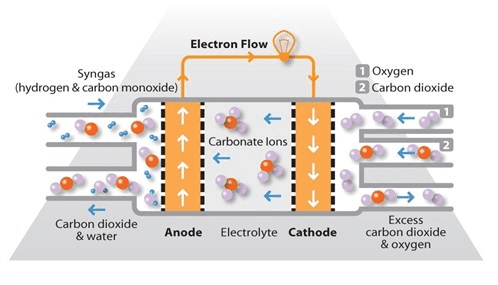
Molten carbonate fuel cells
This project investigates how molten carbonate fuel cells (MCFCs) generate electricity efficiently by using high-temperature molten salts as electrolytes. The aim is to understand how operating temperature affects the fuel cell’s power output and efficiency, while also exploring the potential for internal fuel reforming and reduced emissions.
Aug - 2024
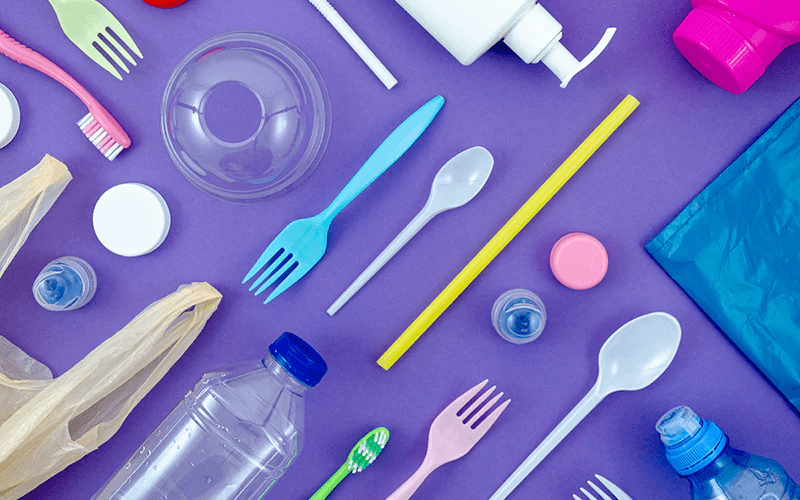
The problem of single-use plastic waste
This project aims to understand the real problems caused by single-use plastics and explore creative and practical ideas to solve them. By identifying the impact of plastic waste and experimenting with reuse solutions, this project works to find effective ways individuals and communities can reduce plastic pollution.
Aug - 2024
Renewable Energy - Wind Turbine
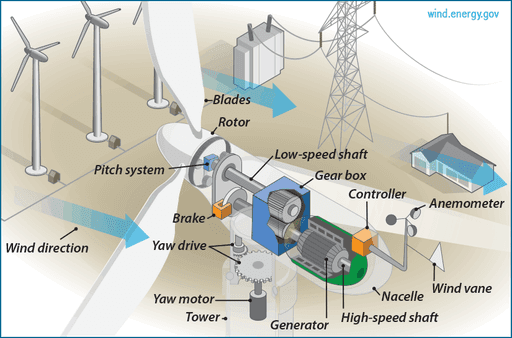
This report explores how wind turbines are used as a renewable energy source in the Netherlands. With strong coastal winds, the country relies on both onshore and offshore wind farms to generate electricity. The report explains how wind turbines work, applying the law of conservation of energy to show how wind’s kinetic energy is turned into electrical energy. Despite challenges like high costs and variable wind speeds, wind power remains a key part of the Netherlands’ move toward sustainable energy.
Sep - 2024
Human Endeavour - Air Pollution in High Traffic Areas
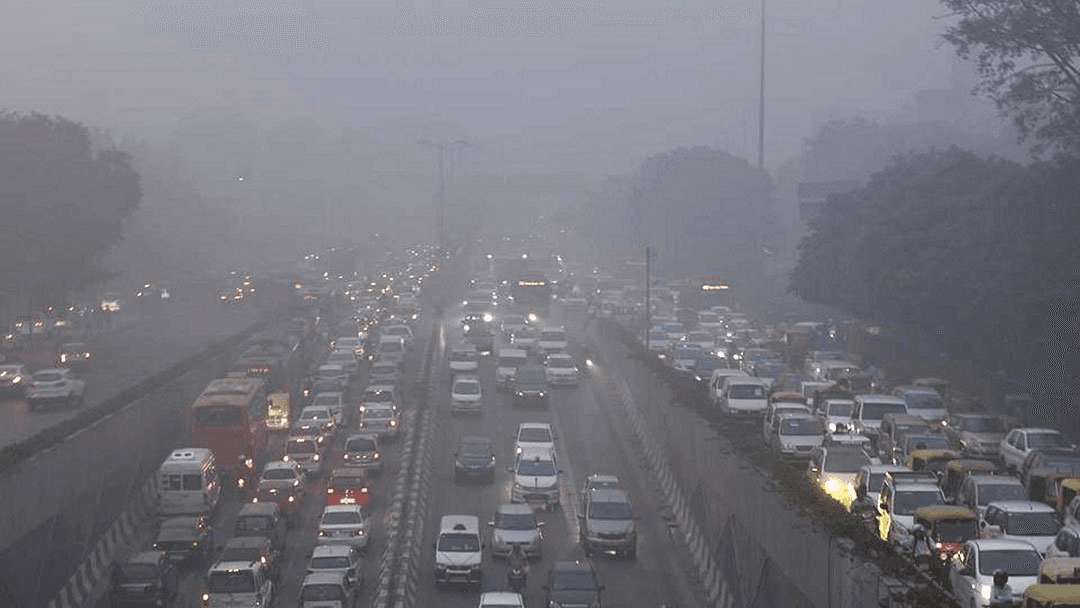
This project explores three potential solutions to Jakarta's air pollution: using air purifiers to clean indoor air, improving the Transjakarta bus system to reduce vehicle emissions, and planting trees to naturally filter pollutants. By comparing their impacts on PM2.5 and CO levels, we aim to find the most effective approach to improve air quality in Jakarta.
Oct - 2024